
Structured Oversight Ensuring Enterprise Integrity and Accountability
At Wingskyline Technologies, governance is not a procedural requirement — it is a strategic framework that reinforces enterprise stability, strengthens accountability, protects digital assets, and supports responsible long-term growth.
Governance Focus Areas
- Board-level oversight and decision accountability
- Ethical business conduct and enterprise trust
- Financial governance and disciplined reporting
- Risk identification and mitigation controls
- Security, privacy, and compliance governance
- Operational transparency and audit readiness
Governance as an Enterprise Foundation
Governance at Wingskyline Technologies establishes clear oversight mechanisms, decision-making hierarchies, reporting structures, and operational accountability models. It aligns strategic direction with product execution, financial discipline, technology readiness, and institutional credibility.
Governance Supports Long-Term Stability
Mature governance ensures that growth initiatives, product decisions, and operational execution remain aligned with organizational capacity, enterprise obligations, and market expectations.
Governance Reinforces Trust
Clients, partners, and stakeholders expect structure, accountability, and visibility. Governance provides the framework that reinforces confidence in how Wingskyline operates and scales.
Core Governance Pillars
Our governance model is built around the disciplines required to support enterprise clients, protect corporate interests, and maintain structured growth.
Board-Level Strategic Oversight
Major enterprise initiatives, product roadmap shifts, infrastructure investments, and risk policies are reviewed through a structured executive governance model to ensure alignment with corporate objectives.
Ethical Business Conduct Standards
A formal code of conduct governs professional behavior, data handling practices, compliance expectations, and partner engagement standards.
Financial Governance & Reporting Discipline
Structured financial oversight governs capital allocation, R&D investments, operational expenditure, and infrastructure scaling costs to preserve resilience during market fluctuations.
Risk Identification & Mitigation
Formalized risk assessment cycles address operational continuity, cybersecurity exposure, regulatory obligations, and infrastructure vulnerabilities.
Technology Security Governance
Security oversight extends across platform architecture, data storage, identity models, access control policies, and periodic infrastructure validation reviews.
Data Protection & Privacy Framework
Data governance policies define encryption standards, retention protocols, access restrictions, and lifecycle controls to protect privacy and enterprise information assets.
Compliance, Audit Readiness & Operational Transparency
Governance maturity depends on traceability, internal controls, and measurable operational visibility.
Regulatory Alignment & Compliance Monitoring
Internal compliance controls are aligned with global data protection expectations, SaaS operational best practices, and enterprise security benchmarks.
Internal Control Systems & Audit Readiness
Architectural decisions, infrastructure configurations, and operational procedures are documented to support transparency, traceability, and audit preparedness.
Governance-Driven Operational Transparency
Clear reporting channels, performance dashboards, and executive review cycles enhance accountability across product, engineering, and infrastructure domains.
Responsible Growth, Market Confidence & Enterprise Continuity
Governance is essential not only for current operations, but also for sustainable expansion, market credibility, and long-term institutional maturity.
Enterprise Sustainability & Responsible Growth
Growth initiatives are evaluated against operational capacity, technical readiness, financial stability, and infrastructure sustainability.
Institutional Credibility & Market Confidence
Strong governance frameworks reinforce investor confidence, partner trust, and enterprise-level positioning in competitive technology markets.
Commitment to Long-Term Enterprise Integrity
Governance maturity protects intellectual property, safeguards digital infrastructure, and ensures ethical conduct across business and operational domains.
Why Governance Matters to Enterprise Clients
- Assures structured oversight and decision accountability
- Reinforces data protection and security discipline
- Supports audit readiness and operational traceability
- Builds trust for long-term strategic partnerships
- Differentiates mature product companies from unmanaged startups
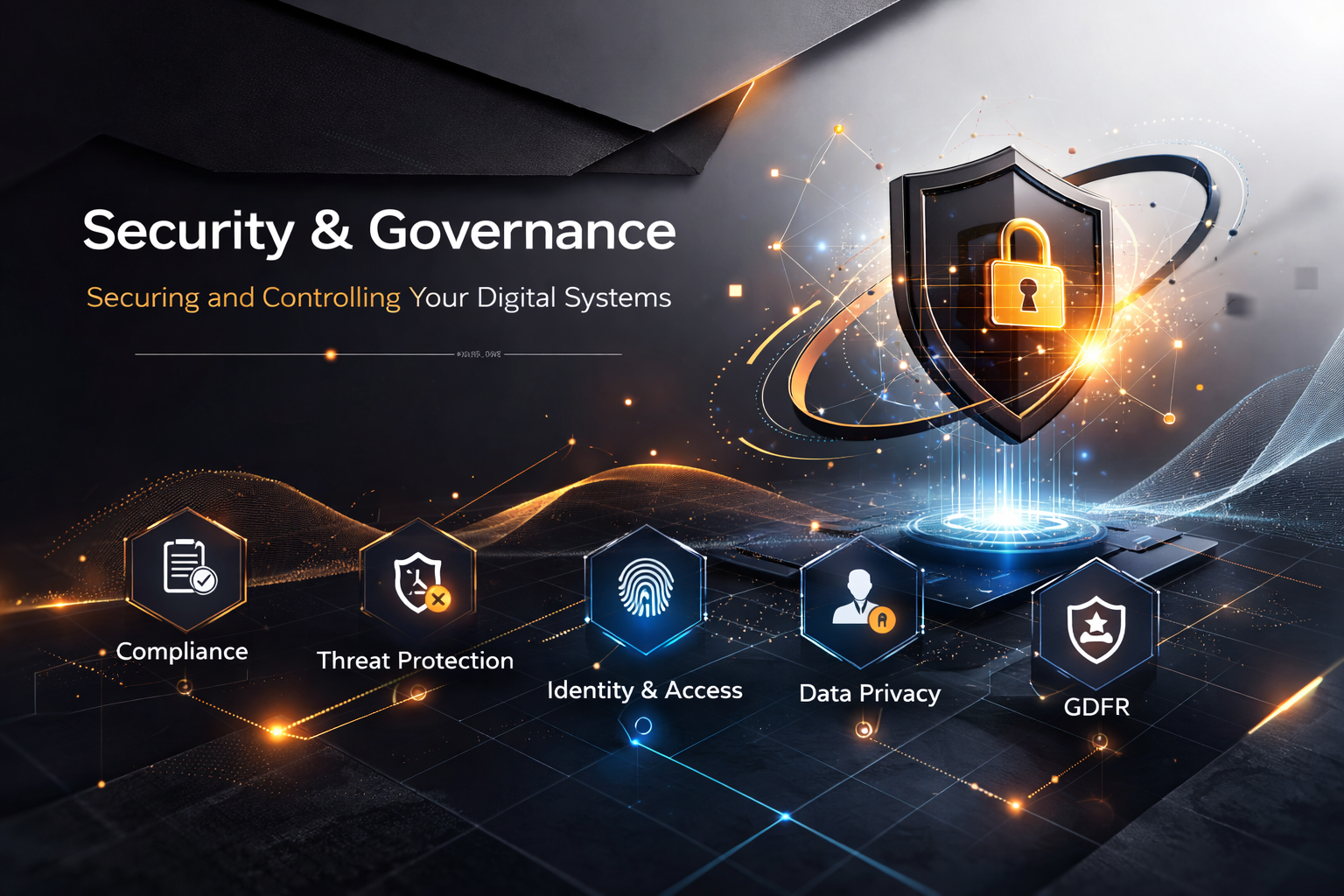
Enterprise governance strengthens enterprise trust.
Wingskyline operates with governance maturity designed to support scalable products, accountable operations, and long-term client confidence.